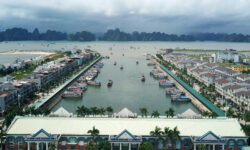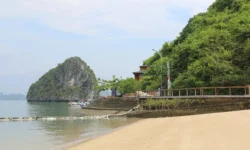
Northern Vietnam is not only famous for its landscapes, old streets, limestone islands, and peaceful cruises. It is also one of the best regions in the country for food lovers.
A journey from Hanoi to Halong Bay gives travellers two very different but perfectly connected food experiences. In Hanoi, you can explore busy streets, hidden alleys, local markets, coffee shops, and family-run restaurants. In Halong Bay, you can enjoy fresh seafood, Vietnamese dishes, and relaxing meals while surrounded by limestone islands and emerald water.
Together, Hanoi and Halong Bay create a memorable culinary journey that combines local culture, fresh ingredients, and beautiful scenery.
Why Food Is a Big Part of the Journey
Food is one of the best ways to understand northern Vietnam. In Best Hanoi Food Tours, every dish tells a story about local life, family recipes, street culture, and daily habits. People eat on small plastic stools, drink coffee in hidden cafés, and gather around simple dishes that have been loved for generations.
In Halong Bay, the food experience is closely connected to the sea. Fresh seafood, coastal flavours, and onboard dining are important parts of the cruise journey. A meal on the bay is not only about taste. It is also about the view, the atmosphere, and the feeling of slowing down after the busy streets of Hanoi.
For first-time visitors, combining Hanoi and Halong Bay is a great way to enjoy both city food culture and coastal cuisine in one trip.
Start with Hanoi Old Quarter
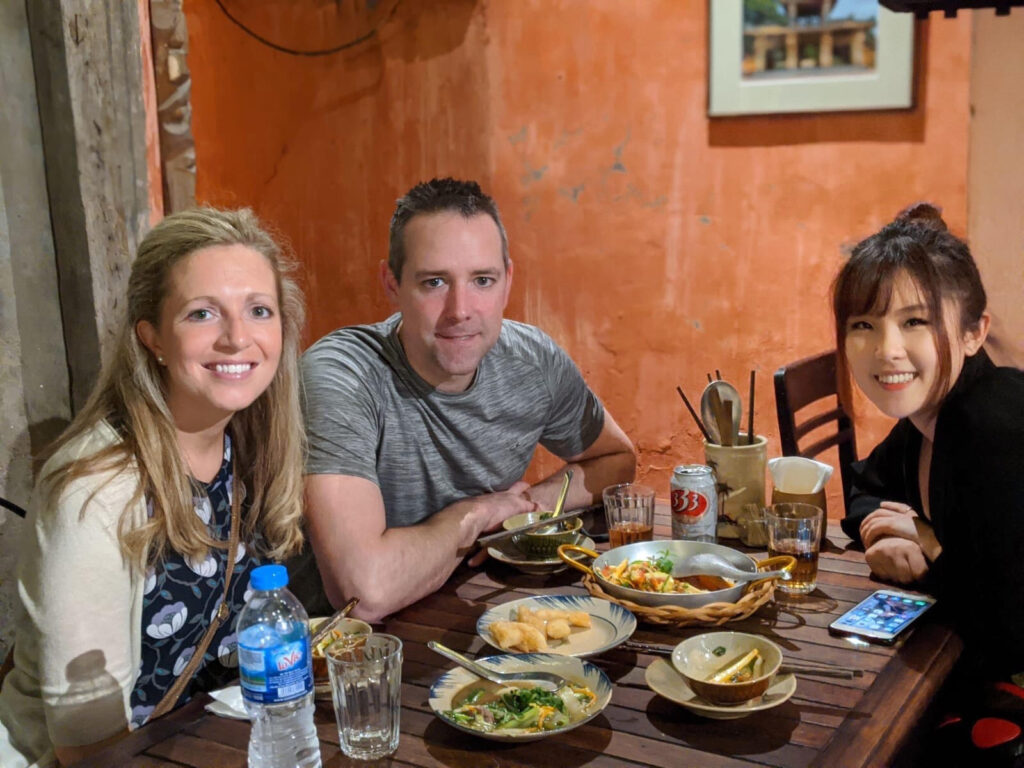
Hanoi Old Quarter is the best place to begin a food journey in the capital. The area is full of narrow streets, local shops, small restaurants, food stalls, cafés, and markets. Many dishes are prepared in front of you, creating a lively and authentic atmosphere.
Walking through the Old Quarter, you can smell grilled pork, fresh herbs, noodle soup, coffee, fried snacks, and street-side desserts. It is a place where food is part of everyday life.
You do not need to visit luxury restaurants to enjoy Hanoi cuisine. Some of the best meals are found in simple local places with a small menu, busy tables, and loyal customers.
Try Hanoi’s Most Famous Dishes
Hanoi is home to many iconic Vietnamese dishes. One of the most famous is pho, a noodle soup with clear broth, rice noodles, herbs, and beef or chicken. It is often eaten for breakfast, but you can find it throughout the day.
Bun cha is another must-try dish. It includes grilled pork, rice noodles, fresh herbs, and dipping sauce. The smoky flavour of the pork and the freshness of the herbs make it one of the most memorable dishes in Hanoi.
Banh mi is a quick and tasty choice for travellers who want something simple. The Vietnamese baguette may include meat, egg, pâté, pickled vegetables, herbs, and sauce. It is easy to eat while walking around the Old Quarter.
Other dishes worth trying include banh cuon, fresh spring rolls, papaya salad, bun thang, mixed noodles, sticky rice, and local desserts such as che.
Each dish offers a different taste of Hanoi, from light and fresh to rich and comforting.
Join Small Group Hanoi Street Food Tour
For first-time visitors, a Hanoi street food walking tour is one of the easiest ways to explore the local food scene. The Old Quarter has many food options, but it can be difficult to know where to start, what to order, and how to eat each dish correctly.
With a local guide, travellers can discover hidden food spots, learn about ingredients, and understand the stories behind each dish. A good food tour is not only about eating. It is also about walking through local streets, meeting vendors, learning about Vietnamese culture, and seeing how people enjoy food in daily life.
A walking food tour is especially suitable in the evening, when the Old Quarter becomes more lively and the weather is often more comfortable. It is a great first-night experience before travelling to Halong Bay the next day.
Discover Hanoi Coffee Culture
No culinary journey in Hanoi is complete without coffee. Vietnamese coffee is strong, rich, and full of character. In the Old Quarter, many cafés are hidden inside old houses, narrow alleys, or upstairs spaces overlooking the street.
Egg coffee is one of the most famous Hanoi drinks. It is made with coffee and a creamy egg mixture, creating a rich and sweet taste. Iced milk coffee is another popular choice, especially on warm days. Coconut coffee is also a favourite for travellers who want something refreshing.
A coffee stop is more than a short break. It is a chance to slow down and watch local life from a quiet corner. After walking through busy streets and trying different dishes, sitting in a café with a cold drink can be one of the most relaxing moments in Hanoi.
Visit Local Markets and Food Streets
Markets are a great place to see the ingredients behind Hanoi cuisine. Fresh herbs, noodles, vegetables, fruits, meat, seafood, spices, and sauces are all part of the city’s food culture.
Even if you do not buy anything, visiting a local market helps you understand how Vietnamese meals begin. You can see how vendors prepare ingredients, how locals shop for daily meals, and how fresh produce is used in traditional dishes.
Food streets in the Old Quarter are also worth exploring. Some areas are famous for specific dishes, while others offer a mix of snacks, drinks, and local meals. The best way to enjoy them is to walk slowly, follow the local crowd, and stay open to trying something new.
From City Flavours to Coastal Cuisine
After enjoying Hanoi, many travellers continue to Halong Bay. The journey from the capital to the coast usually takes a few hours, but the food experience changes completely.
In Hanoi, the focus is on street food, noodles, grilled dishes, coffee, and local snacks. In Halong Bay, the focus moves toward seafood, fresh ingredients, and meals enjoyed with a scenic view.
This contrast makes the journey interesting. You begin with the energy of the city and continue with the calm atmosphere of the bay. Both places show different sides of northern Vietnamese cuisine.
What to Eat in Halong Bay
Halong Bay is well known for seafood. Depending on the season and the restaurant or cruise menu, travellers may enjoy prawns, squid, fish, clams, oysters, crab, or other local seafood dishes.
One of the most famous local specialities is cha muc, or Halong squid cake. It is usually made from fresh squid, carefully prepared and fried until golden. The texture is slightly chewy, the flavour is rich, and it is often served with sticky rice or rice rolls.
Seafood hotpot is another popular choice, especially for groups. It is warm, social, and full of fresh flavours from the sea. Grilled seafood, steamed clams, stir-fried squid, and fish dishes are also common in local restaurants.
For travellers staying in Halong City before or after a cruise, trying local seafood at a restaurant or market area can be a rewarding experience.
Dining on a Halong Aurora Cruise
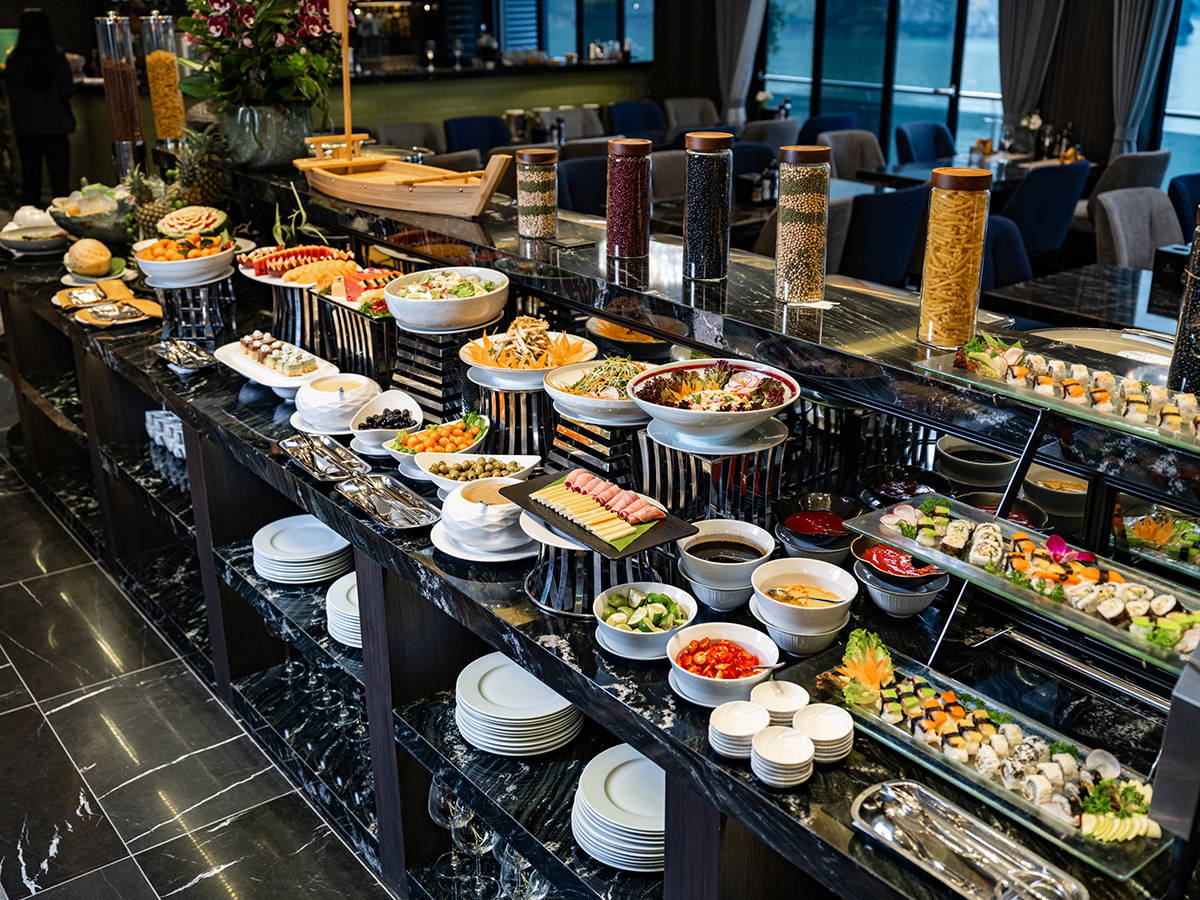
For many visitors, dining on a cruise is one of the highlights of Halong Bay. Meals are usually served while the boat moves through limestone islands, creating a peaceful and beautiful setting.
Lunch often begins soon after boarding, giving guests their first taste of the bay while enjoying the view from the restaurant. Dinner is usually more relaxed, with several courses and a calm evening atmosphere. Breakfast or brunch the next morning is often served as the cruise slowly returns toward the harbour.
The food on a cruise may include Vietnamese dishes, seafood, fresh vegetables, soup, rice, noodles, and some international options. The exact menu depends on the cruise style and itinerary.
If you have food allergies, vegetarian requests, or special dietary needs, it is important to inform the cruise team in advance. Most cruises can prepare suitable alternatives if they know before departure.
Enjoy Seafood with a View
One of the reasons food tastes special in Halong Bay is the setting. A simple seafood dish can feel more memorable when you are surrounded by limestone cliffs, calm water, and open sky.
During the day, the view is bright and scenic. At sunset, the atmosphere becomes softer and more romantic. In the evening, dinner on board feels peaceful as the cruise lights reflect on the water.
This is different from eating in a normal restaurant. The scenery becomes part of the meal, and the meal becomes part of the travel memory.
Cooking Demonstrations on Board
Many overnight cruises include a short cooking demonstration before dinner. This is usually a simple and friendly activity, often focused on dishes such as Vietnamese fresh spring rolls.
Travellers can learn how to prepare ingredients, roll the dish properly, and understand the balance of herbs, vegetables, noodles, and dipping sauce. It is not a professional cooking class, but it gives guests a fun introduction to Vietnamese food culture.
This activity is suitable for couples, families, and groups. It also creates a relaxed atmosphere before dinner and helps guests connect with Vietnamese cuisine in a hands-on way.
Local Food Before or After the Cruise
If your schedule allows, spend some time in Halong City before or after your cruise to try local food outside the boat. This gives you a more complete view of the destination.
You can look for local seafood restaurants, try cha muc, enjoy noodle dishes with seafood, or visit a market area. The experience is more casual than cruise dining and shows a different side of Halong’s food culture.
If you return to Hanoi after the cruise, your food journey can continue with another local dinner in the Old Quarter. Many travellers enjoy ending the trip with a final bowl of pho, bun cha, or egg coffee before leaving Vietnam.
Suggested Food-Focused Itinerary
Day 1: Taste Hanoi
Arrive in Hanoi and check in at your hotel in the Old Quarter. Spend the afternoon walking around Hoan Kiem Lake and nearby streets. Stop for Vietnamese coffee in a hidden café.
In the evening, enjoy a street food experience in the Old Quarter. Try dishes such as pho, bun cha, banh mi, fresh spring rolls, local desserts, and egg coffee. A guided walking tour is a great way to discover the best local places and understand the food culture behind each dish.
Day 2: Hanoi to Halong Bay
After breakfast, travel from Hanoi to Halong Bay. Board your cruise around midday and enjoy lunch as the boat begins sailing through the limestone islands.
In the afternoon, join sightseeing activities such as kayaking, cave visits, swimming, or bamboo boat rides. Later, enjoy sunset on the sundeck, take part in a cooking demonstration, and have dinner on board.
This is the day when the food experience changes from city flavours to coastal cuisine.
More: Tulip Cruise 2 days/1 night
Day 3: Morning on the Bay and Return
Wake up early to enjoy the peaceful atmosphere of Halong Bay. Have breakfast or brunch on board while the cruise returns toward the harbour.
After disembarkation, travel back to Hanoi or continue to another destination. If you stay in Hanoi for one more night, enjoy a final local meal in the Old Quarter.
Useful Food Tips for Travellers
Choose busy local places when eating street food. A busy stall usually means the food is fresh and popular with locals.
Bring some cash because many small food stalls and cafés may not accept cards.
Tell your guide or cruise team about allergies or dietary requirements before the tour or cruise begins.
Drink bottled water and stay hydrated, especially in summer.
Do not try to eat too much at one stop. Hanoi food is best enjoyed slowly, with several small dishes in different places.
Be open-minded. Some of the best food experiences in Vietnam happen in simple places, not fancy restaurants.
A trip from Hanoi to Halong Bay is a wonderful journey for food lovers. In Hanoi, you can taste the heart of northern Vietnamese street food through noodle soups, grilled pork, coffee, snacks, and local desserts. In Halong Bay, you can enjoy fresh seafood, cruise dining, cooking demonstrations, and meals with unforgettable views.
The beauty of this journey is the contrast. Hanoi is lively, busy, and full of street flavours. Halong Bay is calm, scenic, and connected to the sea. Together, they offer a rich and memorable taste of northern Vietnam.
For travellers who want to understand the region beyond sightseeing, food is the perfect place to start. From a small street-side bowl of noodles in the Old Quarter to a seafood dinner on the bay, every meal becomes part of the travel experience.